
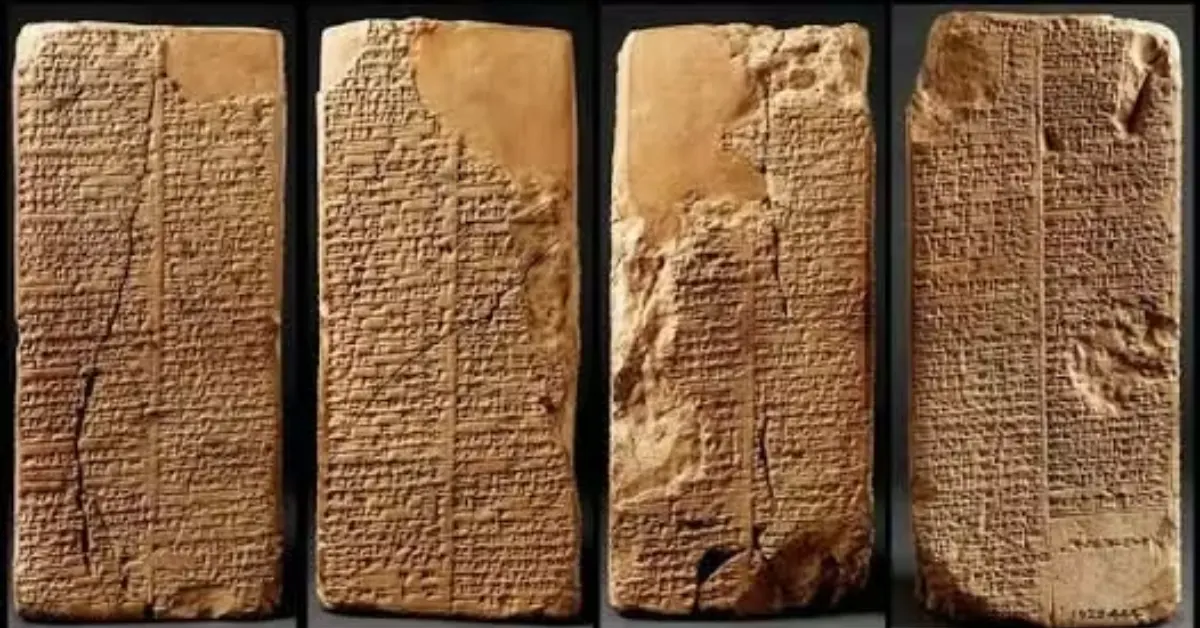
When people ask, “What is the oldest language in the world?”, they are usually looking for a clear answer. And from a historical and linguistic standpoint, Sumerian is the oldest language in the world, with well-documented records dating back to ~3100 BCE.
However, when someone asks about the oldest languages in the world, the answer depends on how you measure it.
Do we measure by oldest language ever written down? Or by the oldest language still spoken today? Let’s break this down and understand what makes a language the oldest in the world.
Table of Contents
ToggleHow Do Linguists Define the Oldest Language?
There are three common ways to define “oldest language”:
- Oldest written language: This involves the identification of the language with earliest confirmed inscriptions
- Oldest continuously spoken language: This would be the oldest language that is still spoken today
- Oldest classical literary language: This would be the language with the earliest preserved literature
This is why rankings shift dramatically. Based on these differentiators, Sumerian would be classified as the world’s oldest language that was written while Tamil becomes the oldest language in the world dot still be spoken today. On the other hand, the oldest classical literary language, is Sanskrit. Understanding this distinction is crucial to answer the question of the world’s oldest language accurately.
What Is the Oldest Written Language?
- Oldest Written Language: Sumerian
- Date: ~3100 BCE
- Region: Mesopotamia (modern-day Iraq)
- Evidence: Thousands of cuneiform clay tablets
Why Sumerian counts:
- Earliest datable writing system
- Not derived from any earlier known language
- Predates Egyptian hieroglyphs
What Is the Oldest Continuously Spoken Language?
- Oldest language still spoke: Tamil
- Earliest inscriptions: ~500 BCE
- Classical literature: Sangam texts (~300 BCE – 300 CE)
- Speakers today: 75+ million
Tamil has been spoken continuously for over 2,000 years, maintaining its core grammatical structure.
What Is the Oldest Classical Literary Language?
- Oldest classical literary language: Sanskrit
- Date: ~1500–1200 BCE (Vedic Sanskrit)
- Text: Rigveda
Sanskrit developed a highly structured literary, philosophical, and scientific tradition. It influenced many modern Indian languages, though it is no longer spoken natively.
Top 10 Oldest Languages In The World
According to Scientific American, historians and linguists agree the top 10 oldest languages of the world are:
| Rank | Language | Approximate Date |
|---|---|---|
| 1 | Sumerian | ~3100 BCE |
| 2 | Egyptian | ~2600 BCE |
| 3 | Akkadian | ~2500 BCE |
| 4 | Elamite | ~2300 BCE |
| 5 | Sanskrit | ~1500 BCE |
| 6 | Chinese | ~1250 BCE |
| 7 | Greek | ~1400 BCE |
| 8 | Hebrew | ~1000 BCE |
| 9 | Tamil | ~500 BCE |
| 10 | Latin | ~700 BCE |
Why There Is No Single First Spoken Language
- Spoken language likely developed 50,000–150,000 years ago, long before writing existed
- No recordings, inscriptions, or direct linguistic samples exist
- Therefore, there is no scientific evidence for a single first spoken language
Why Studying Ancient Languages Matters
Understanding ancient languages helps us:
- Trace early civilizations
- Understand cultural exchange
- Improve historical interpretation
Frequently Asked Questions (FAQs)
Tamil is widely regarded as the oldest continuously spoken language.
Sanskrit texts are older, but Tamil has longer continuous spoken usage.
No scientific evidence exists for a single, first spoken language.
It has the earliest confirmed written records (~3100 BCE).
Yes, they are essential for history and linguistic studies.
Check out our latest Blog Posts below!